Course Syllabus Here
Upload your assignments Here
Readings + Lectures
Week 11/12
Protocol: Here
Baldassarre et al. Responsible Design Thinking for Sustainable Development: Critical Literature Review, New Conceptual Framework, and Research Agenda
Reading here
Week 10
Topic: research
https://www.designkit.org/methods.html
notes from class: Here
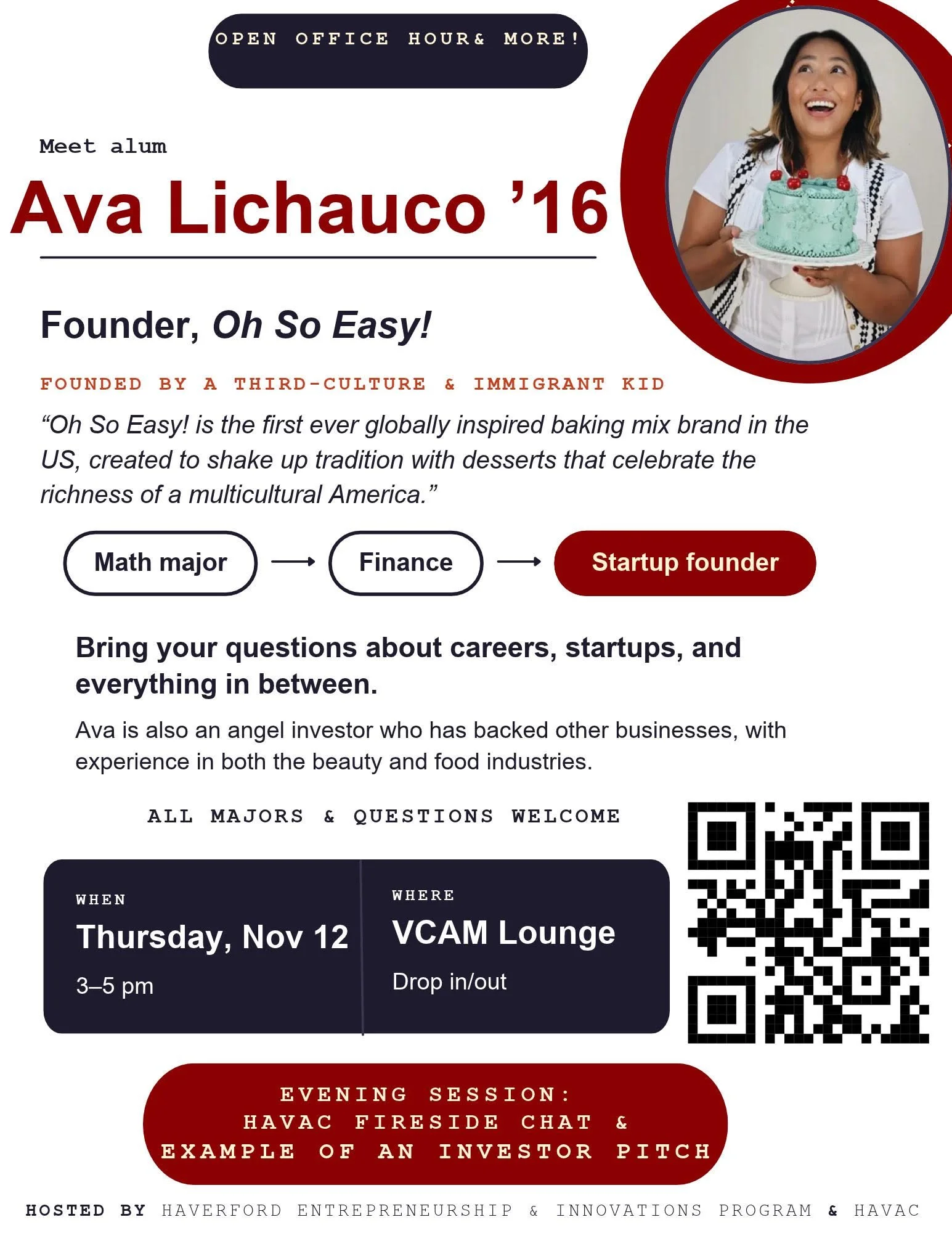
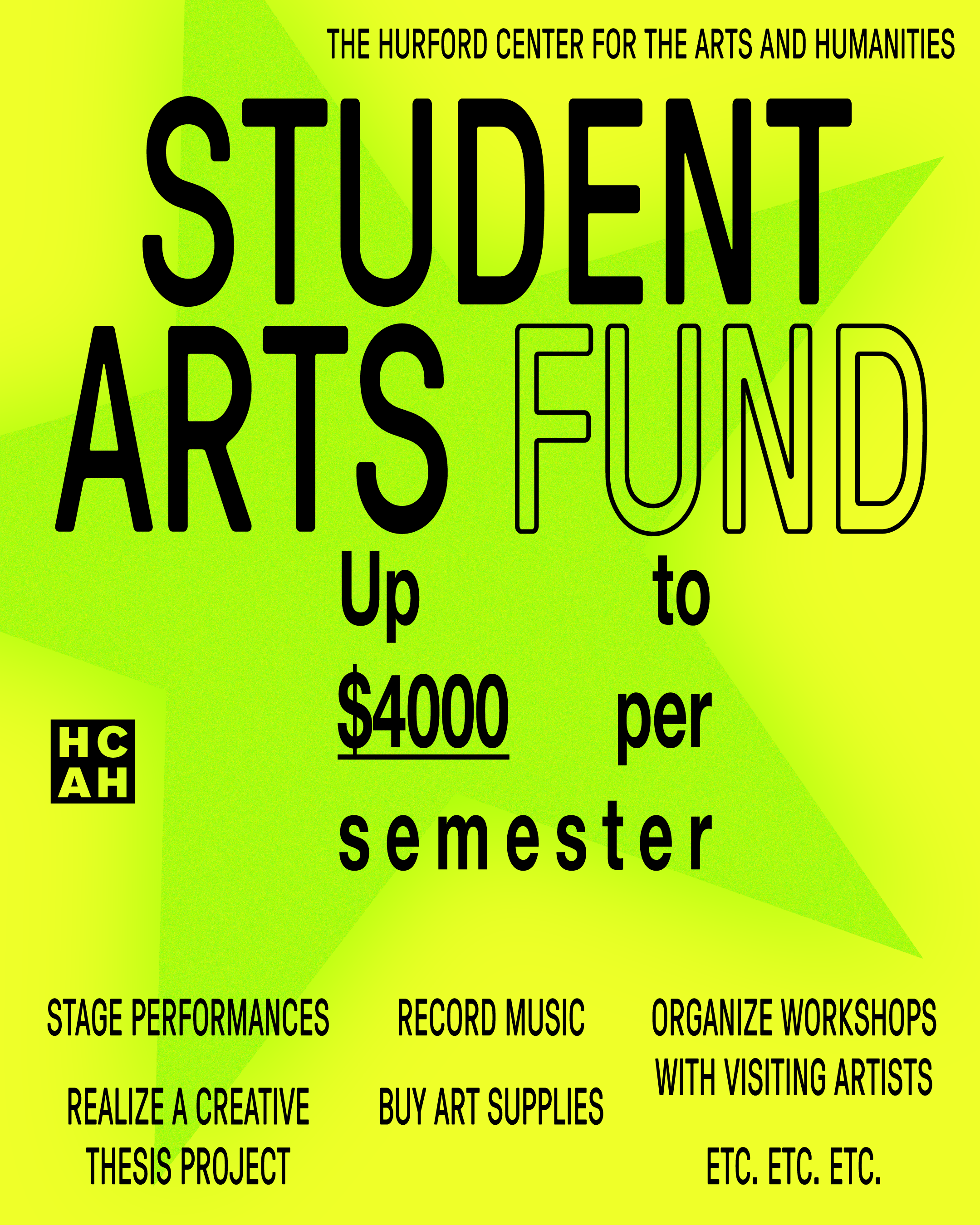
EVENTS:
Week 09
Brand Identity
Class Presentation here
Assignment here is due Nov 6, 2026 - remember class is cancelled and this assignment should be completed during our regularly time.
Submit your final pdf into your class folder. Here is a sample.
Reading for next class:
Lockwood, T. (2010). Foreword: The importance of integrated thinking. In T. Lockwood (Ed.), Design thinking: Integrating innovation, customer experience, and brand value (pp. ix–xi). Allworth Press here
Week 08
Independent Studio Session Instructions
While I am off-campus, this session is dedicated to advancing your individual personal projects. Choose one of the three activity tracks below to complete either independently or by pairing up with a classmate.
At the end of the session, submit your required deliverable to our shared course folder.
Choose Your Activity Track:
Option A: The "Worst Possible Idea" Stress-Test & Rapid Pivot
The Goal: Break through creative blocks by intentionally designing failing concepts to uncover hidden structural or user-experience insights.
How to Do It:
Spend 15 minutes drafting the three absolute worst, most impractical, or most user-hostile iterations of your project.
Spend the next 15 minutes analyzing why those ideas fail, extracting one key insight, constraint, or inversion that you can immediately flip back into a stronger feature for your real project.
Required Submission: A short bulleted list (1 page or text document) outlining your "worst ideas" and the specific design pivot you discovered, uploaded to the Google Drive folder by 4:00 PM.
Option B: Peer "Blind Test" & Context Walkthrough
The Goal: Simulate real-world user feedback and identify clarity gaps in your project interface or concept.
How to Do It:
Pair up with a classmate (in person or via a quick video call/messaging thread).
Share your screen, sketches, or current project walkthrough withoutexplaining how it works or what it does.
Your partner must step through your concept blind, vocalizing their immediate assumptions, confusion points, and expectations at every touchpoint. Switch roles.
Required Submission: A bulleted list of 2–3 clarity gaps or friction points discovered during the walkthrough, uploaded to the Google Drive folder by 4:00 PM.
Option C: Material/Digital Low-Fi Prototyping Sprint
The Goal: Move your concept from abstract thought into a tangible, rapid prototype of a single critical feature.
How to Do It:
Set a strict timer for 45–60 minutes.
Isolate the single riskiest assumption, trickiest mechanism, or core user interface screen central to your design.
Build a quick physical mock-up using available materials (paper, cardboard, wire, index cards) or basic digital wireframing tools.
Required Submission: A photo of your low-fi prototype paired with a one-sentence reflection on what the build taught you about your design's scale or usability, uploaded to the Google Drive folder by 4:00 PM.
Make sure your files are clearly labeled with your name and project title before dropping them into the folder.
Week 07
Topic: Pick your project here. Take a look at our resources here.
Reading: Kolko, Jon. "Design thinking comes of age." (2015): 66-71.
Week 06
Topic: Analysis & Synthesis. From raw data to insights.
Affinity mapping and "The Point of View" statement.
Week 05
Topic: Design Research II
Week 04
Topic: Qualitative methods: The art of the interview and the ethics of observation.
Instructions: Here
Week 03
Topic: Finding a problem or inspiration
Complete: How Might We
Week 02 (Reading on Moodle)
Week 01 (Reading on Moodle)
Remember email me for anything: harris1@haverford.edu
I am on campus every Friday from 1 - 4PM